Introduction
In today’s competitive job market, acquiring practical skills and formal qualifications is crucial. Accredited learnerships with NQF (National Qualifications Framework) qualifications offer an ideal pathway to gain both. These structured programs combine theoretical learning with hands-on workplace experience, helping learners bridge the gap between education and employment.
South Africa’s SETA-accredited learnerships not only enhance your career prospects but also contribute to national skills development. This article provides a detailed guide to understanding NQF-accredited learnerships, their benefits, and how to apply.
What Are Accredited Learnerships?
Learnerships are structured learning programs recognized by the South African Qualifications Authority (SAQA). They integrate classroom-based learning with practical workplace training, resulting in an NQF-registered qualification.
Key features of accredited learnerships:
- Structured Learning Pathway: Combines theory and practice to ensure learners are competent in a chosen field.
- Formal Qualification: Every accredited learnership is linked to a specific NQF level, ensuring national recognition.
- Employment Readiness: Equips learners with industry-relevant skills, increasing their employability.
- SETA Accreditation: Each learnership must be registered with a relevant Sector Education and Training Authority (SETA), guaranteeing quality and compliance.
Understanding NQF Qualifications
The National Qualifications Framework (NQF) is a system that classifies qualifications according to levels of learning achievement. South Africa’s NQF has 10 levels, ranging from basic education to advanced doctoral studies.
- Levels 1–4: General education, equivalent to school grades or vocational certificates.
- Levels 5–7: Higher certificates, diplomas, and advanced diplomas.
- Levels 8–10: Bachelor’s degrees, postgraduate, and doctoral qualifications.
Each NQF-accredited learnership ensures learners gain skills and competencies aligned with national education standards, which employers widely recognize.
Benefits of Accredited Learnerships
Enrolling in an NQF-accredited learnership offers numerous advantages:
1. National Recognition
Qualifications linked to the NQF are recognized across industries in South Africa and abroad, allowing learners to advance their careers or pursue further studies.
2. Hands-On Experience
Learnerships emphasize practical training, ensuring learners gain real-world workplace experience while earning an allowance.
3. Career Advancement
Graduates of learnerships are often prioritized by employers because they already possess industry-specific skills.
4. Government Incentives
Employers offering learnerships receive tax rebates and subsidies, encouraging the growth of training programs nationwide.
5. Personal Development
Beyond technical skills, learnerships improve soft skills such as teamwork, problem-solving, and communication, which are highly valued by employers.
Types of Accredited Learnerships with NQF Qualifications
Different sectors in South Africa offer accredited learnerships. Below are some key areas:
1. Engineering and Technical Fields
- Mechanical Engineering – NQF Levels 4–6
- Electrical Engineering – NQF Levels 4–6
- Civil Engineering – NQF Levels 4–6
Engineering learnerships provide both classroom and on-site training, preparing learners for technical careers in manufacturing, construction, and energy sectors.
2. Business and Management
- Financial Accounting – NQF Levels 4–6
- Office Administration – NQF Levels 3–5
- Project Management – NQF Levels 5–7
These learnerships focus on workplace competencies, such as bookkeeping, administration, and leadership, often leading to permanent employment in corporate environments.

3. Information Technology
- Software Development – NQF Levels 5–7
- Network Administration – NQF Levels 4–6
- IT Support – NQF Levels 3–5
IT learnerships equip learners with skills that are in high demand, combining coding, networking, and cybersecurity knowledge with practical projects.
4. Healthcare and Social Services
- Healthcare Assistant – NQF Levels 2–4
- Early Childhood Development – NQF Levels 3–5
- Community Health Work – NQF Levels 4–6
Healthcare learnerships prepare learners for hands-on care roles, often with guaranteed placement upon completion.
5. Tourism and Hospitality
- Hospitality Management – NQF Levels 3–5
- Tourism Operations – NQF Levels 3–5
- Culinary Arts – NQF Levels 2–4
This sector focuses on customer service, operational efficiency, and practical industry skills.
How to Apply for an Accredited Learnership
Applying for an accredited learnership involves several steps:
- Research Learnership Opportunities: Visit the official SETA websites or accredited training providers to find available programs.
- Check NQF Levels: Ensure the learnership aligns with your current qualification and career goals.
- Prepare Required Documents: Typically includes ID, CV, school or tertiary certificates, and sometimes references.
- Submit Your Application: Follow the specific application process set by the SETA or training provider.
- Attend Interviews or Assessments: Many programs conduct assessments to determine your suitability.
- Begin Learnership: Once accepted, you will be enrolled in both classroom and workplace training.
Choosing the Right Learnership
Selecting the correct learnership is essential for career success. Consider the following:
- Industry Demand: Research which sectors are growing and hiring actively.
- Career Goals: Ensure the learnership provides skills and qualifications relevant to your desired career path.
- Training Quality: Choose programs accredited by reputable SETAs with a strong track record.
- Location and Duration: Consider the learnership’s proximity and commitment required.
SETA Accreditation and Compliance
The Sector Education and Training Authorities (SETAs) regulate learnerships in South Africa. They ensure:
- Quality standards in learning and assessment
- Alignment with NQF qualifications
- Certification upon successful completion
Employers and training providers must comply with SETA regulations to maintain the credibility of the learnership.
Success Stories
Many South Africans have transformed their careers through accredited learnerships. For example, learners in engineering programs have progressed from apprentices to full-time technical specialists within a few years. In business and IT sectors, graduates often secure permanent roles immediately after completing their learnerships, thanks to the practical experience gained.
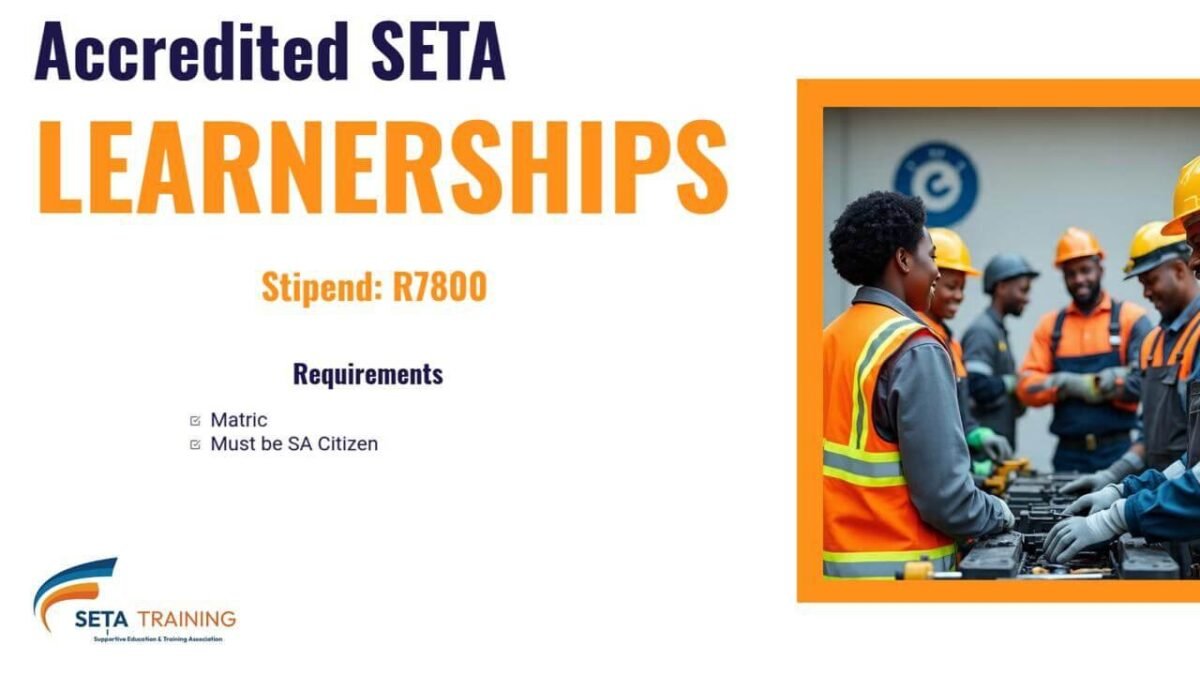
Tips for Maximizing Learnership Benefits
- Engage Fully in Workplace Training: Apply your classroom knowledge on-site.
- Network Actively: Build professional relationships that can lead to job opportunities.
- Continue Learning: Use your NQF qualification as a foundation for further studies.
- Document Achievements: Keep a record of projects, assessments, and skills acquired.
Useful links
Conclusion
Accredited learnerships with NQF qualifications are an excellent opportunity for career development, offering nationally recognized skills and practical workplace experience. Whether in engineering, business, IT, healthcare, or hospitality, these programs equip learners with competencies that enhance employability and personal growth.
By choosing a SETA-accredited learnership aligned with your career goals, you invest in a pathway to success, ensuring long-term professional and personal development.